Measure What Moves: A Field Guide to Transformation Metrics That Don't Lie
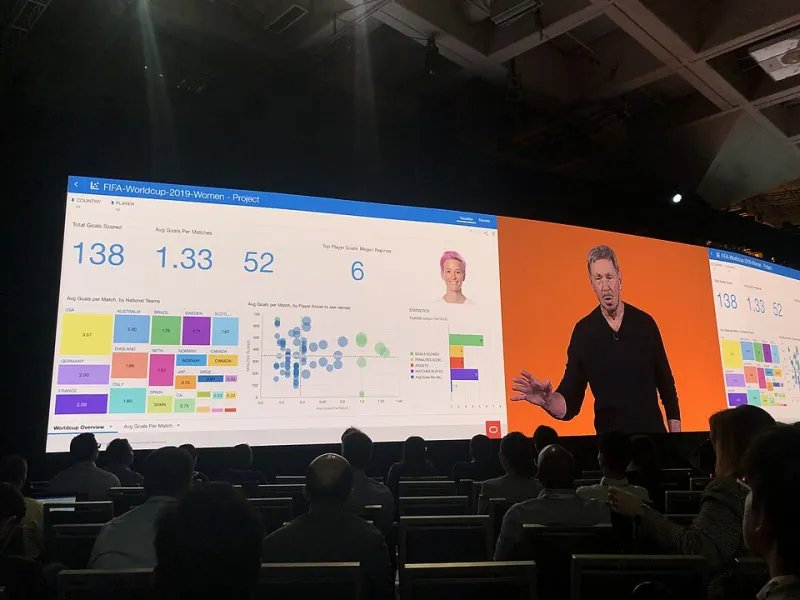
Photo: GeneralAB13, CC BY-SA 4.0, via Wikimedia Commons
Somewhere in a conference room in Chicago or Dallas right now, a transformation steering committee is reviewing a slide deck that says everything is on track. Budget utilization: green. Deliverables shipped: green. Training hours completed: green. And yet eighteen months in, nobody can point to a customer who is better served or a process that is meaningfully faster.
This disconnect is the defining pathology of enterprise transformation programs. The problem is rarely a lack of measurement — it's a surplus of the wrong measurements, selected because they're easy to chart rather than because they predict success. After reviewing transformation portfolios across dozens of US enterprises, a clear pattern emerges in which metrics separate programs that compound from programs that stall.
The Seven That Matter
1. Time-to-value. Not time-to-go-live — time until a measurable business outcome is realized. A platform migration that lands in Q3 but delivers its first quantifiable benefit in Q5 has a time-to-value of roughly eighteen months, regardless of what the project plan says. Leading transformation offices track this per initiative and treat anything over four quarters as a design problem.
2. Adoption depth, not breadth. Logins tell you almost nothing. The question is whether the people who matter are using the new system for the workflows that matter. A useful proxy: what percentage of transactions in the target process now flow through the new system without manual bypass? When sales reps keep a shadow spreadsheet or finance exports to Excel, adoption depth exposes it.
3. Integration velocity. How long does it take to connect a new data source, partner, or application to the core platform? This single number reveals whether you're building a modern architecture or just relocating your silos to the cloud. Programs that reduce integration time from months to days have structurally changed the business; programs that haven't, haven't.
4. Cycle time for change. How quickly can a requested improvement — a new report, a pricing rule, a compliance field — move from request to production? Legacy environments answer in weeks or months. If your transformation isn't shrinking this number, it's repaving the same parking lot.
5. Defect escape rate and incident trends. Modernization should reduce operational fragility, not relocate it. Track production incidents and severity trends on the transformed platforms quarter over quarter. A rising incident curve during a "successful" migration is a leading indicator of an expensive year ahead.
6. Employee friction index. Survey the people using the new systems on a simple question: does this make your work easier, harder, or no different? Trend it quarterly. Tools that employees rate as harder than what they replaced are being tolerated, not adopted — and tolerated tools generate the workarounds that quietly reintroduce the legacy problem.
7. Unit cost of delivery. What does it cost to onboard a customer, process an order, or close the books, before and after? This is the metric that ultimately justifies the program to shareholders. If unit costs aren't moving within a reasonable horizon, the transformation is a renovation, not a transformation.
The Three That Flatter but Don't Inform
Budget spent against plan. Spending the money on schedule proves only that procurement is functioning. Some of the most expensive transformation failures in corporate history were precisely on budget until the moment they weren't.
Training hours completed. Hours in a seat is not competence, and completion certificates have never changed a workflow. If you want a training metric, measure post-training task proficiency instead.
Number of systems migrated or cloud workloads launched. Counting migrations is like counting boxes packed during a move — it says nothing about whether you can find anything afterward. Cloud workload counts in particular have become the transformation era's most reliable vanity number.
Building a Dashboard Worth Defending
The practical recommendation for CIOs and transformation leads: pick no more than five of the seven core metrics, assign each a named owner outside the program office, and review them on a fixed cadence with the same discipline applied to financial reporting. Resist the temptation to add activity-based metrics back in — they will crowd out the uncomfortable ones, because uncomfortable metrics generate useful arguments.
Transformation succeeds when the organization measures outcomes and lets the activity metrics fall away. The dashboards that survive that discipline are the ones worth bringing to the board.