FortumDS Enterprise Software. Digital Transformation. Delivered.

FortumDS

Enterprise Software. Digital Transformation. Delivered.

Latest Articles

Signed, Sealed, Unbuilt: When Sales Collateral Becomes Your Security Roadmap
Enterprise Strategy

Signed, Sealed, Unbuilt: When Sales Collateral Becomes Your Security Roadmap

Every prospect questionnaire answered from a shared drive adds a small, invisible requirement to the platform. Multiply that across a year of deal cycles and the security posture your engineers must deliver is being written by people who will never touch production. Here is how that shadow architecture forms, where the answers stop being true, and what an evidence library and a real review gate look like.


Someone Else's Release Notes, Your Production Incident: Governing Vendor Model Drift
AI Governance

Someone Else's Release Notes, Your Production Incident: Governing Vendor Model Drift

When a SaaS provider swaps the model behind a feature you depend on, your workflows change without a deployment, a change ticket, or a rollback plan. Treating those updates as production events is not overreach — it is the minimum standard for any AI capability that touches revenue, compliance, or customer communication.

Retire the Green Light: Giving Old Metrics a Dignified Exit
Change Management

Retire the Green Light: Giving Old Metrics a Dignified Exit

Most enterprises can tell you how a dashboard got built and almost nobody can tell you why it still refreshes. Metrics accumulate because retiring them requires a decision, and decisions require an owner. A lightweight retirement process — signs, steps, and a signature — keeps analytics from becoming the quietest line in your transformation budget.

The Gate That Signs Itself: Designing User Acceptance Testing to Fail Honestly
Enterprise Strategy

The Gate That Signs Itself: Designing User Acceptance Testing to Fail Honestly

Enterprise UAT often becomes a signing ceremony: scripts are written by the implementation team, edge cases are avoided, and schedule pressure makes failure unthinkable. A credible gate requires adversarial test design, production-like data, explicit failure criteria, and a rehearsed rollback path.

When the Front Door Goes Dark: Identity Continuity as an Enterprise Control
Digital Leadership

When the Front Door Goes Dark: Identity Continuity as an Enterprise Control

Single sign-on and identity platforms sit behind nearly every enterprise application, yet continuity plans rarely account for an identity provider outage, misconfiguration, or compromise. Leadership should treat identity downtime as a business continuity event with tested break-glass access, dependency maps, drills, and contract protections.

The Manager in the Middle: Giving the Frozen Layer a Real Vote
Change Management

The Manager in the Middle: Giving the Frozen Layer a Real Vote

Transformation programs frequently hold middle managers accountable for adoption while excluding them from design and funding decisions. The frozen middle becomes a bottleneck when it is treated as a communication channel rather than an operational leadership layer with real decision rights and aligned incentives.

Before the Agent Gets the Keys: Rollback, Attribution, and Human Accountability in Production
AI Governance

Before the Agent Gets the Keys: Rollback, Attribution, and Human Accountability in Production

Agentic AI is moving from drafting text to taking actions inside enterprise workflows. Most organizations still lack a clear answer for who owns an autonomous mistake. Before deployment, demand action-level audit trails, reversible steps, scoped permissions, and named human accountability.

What the Outage Knows That the Roadmap Doesn't: Mining Operations History for Platform Requirements
Enterprise Strategy

What the Outage Knows That the Roadmap Doesn't: Mining Operations History for Platform Requirements

Modernization requirements are usually assembled from stakeholder wish lists and vendor demonstrations. The most honest input is already in incident postmortems, escalation timelines, and workaround notes. This article shows how to convert operations history into nonfunctional requirements and acceptance tests before the next platform is selected.

The Word That Breaks Migrations: Making 'Customer' Mean One Thing Before Cutover
Digital Leadership

The Word That Breaks Migrations: Making 'Customer' Mean One Thing Before Cutover

Data migrations rarely fail because a pipeline is missing. They fail because 'customer' means six different things across sales, support, finance, and compliance. A lightweight ownership model and a pre-cutover reconciliation workshop can turn the data dictionary from documentation into an operating agreement.

The Retainer Disguised as a Roadmap: Seven Tells That Your Transformation Never Ends
Digital Leadership

The Retainer Disguised as a Roadmap: Seven Tells That Your Transformation Never Ends

Some transformation programs are architected to conclude. Others are architected to renew. This opinion piece lays out seven warning signals that your initiative has quietly shifted from change to retainer — and how leadership can reclaim the finish line.

Your Vendor Just Shipped an AI Feature. Did Anyone Read the Terms?
Enterprise Strategy

Your Vendor Just Shipped an AI Feature. Did Anyone Read the Terms?

SaaS vendors are rolling AI capabilities into products you already license — sometimes with new data flows, new fees, and new risk. Here's how CIOs can audit feature releases before they become contractual and compliance liabilities.

If They Can't Explain It, They Won't Use It: The Case for the Elevator Test
Enterprise Strategy

If They Can't Explain It, They Won't Use It: The Case for the Elevator Test

Software ROI quietly erodes when frontline employees can't describe what a platform actually does. A simple clarity audit — the elevator test — reveals adoption gaps that training budgets never touch.

The Two-System Handshake That Swallowed Four Years: Anatomy of an Integration Runaway
Enterprise Strategy

The Two-System Handshake That Swallowed Four Years: Anatomy of an Integration Runaway

Every enterprise has one: the 'quick' integration that quietly became a permanent fixture on the program board. We dissect how a 12-week connector project metastasizes into a multi-year commitment — and how to catch the warning signs before the roadmap disappears.

Deploy at Midnight, Blame by Morning: Reading Your Release Calendar Like a Diagnostic
Digital Leadership

Deploy at Midnight, Blame by Morning: Reading Your Release Calendar Like a Diagnostic

The hour a change ships tells you more about an organization than any maturity assessment. Late-night releases, pre-holiday freezes, and Friday-afternoon silence are not scheduling quirks — they are the symptoms of a stack nobody trusts. Here is how to read the pattern before it reads you.

The Person Who Makes the Tool Work: Rethinking Software Adoption Through Informal Champions
Digital Leadership

The Person Who Makes the Tool Work: Rethinking Software Adoption Through Informal Champions

When a new enterprise platform lands in the business and adoption stalls, the reflex is to buy more training. The real answer often lives in the break room: the unofficial power user who translates workflows no documentation ever covered. Here is how to find them, back them, and keep them.

Requirements by Photocopy: How Yesterday's RFP Quietly Builds Tomorrow's Architecture
Enterprise Strategy

Requirements by Photocopy: How Yesterday's RFP Quietly Builds Tomorrow's Architecture

When procurement teams recycle last decade's RFP language, they don't just save time — they lock modernization efforts into an architecture the business outgrew years ago. This piece traces how boilerplate becomes destiny and offers a framework for rebuilding requirements from outcomes rather than precedent.

The Support Queue That Stopped Ringing: What Falling Ticket Counts Really Signal
Enterprise Strategy

The Support Queue That Stopped Ringing: What Falling Ticket Counts Really Signal

Declining help desk volume is often celebrated as a sign of success, when in reality it may indicate that users have stopped bothering to ask for help. This article examines the phenomenon of silent software abandonment and provides a framework for surfacing the complaints that never get filed.

Boxes on a Slide: When the Org Chart Gets Redesigned and the Work Doesn't
Digital Leadership

Boxes on a Slide: When the Org Chart Gets Redesigned and the Work Doesn't

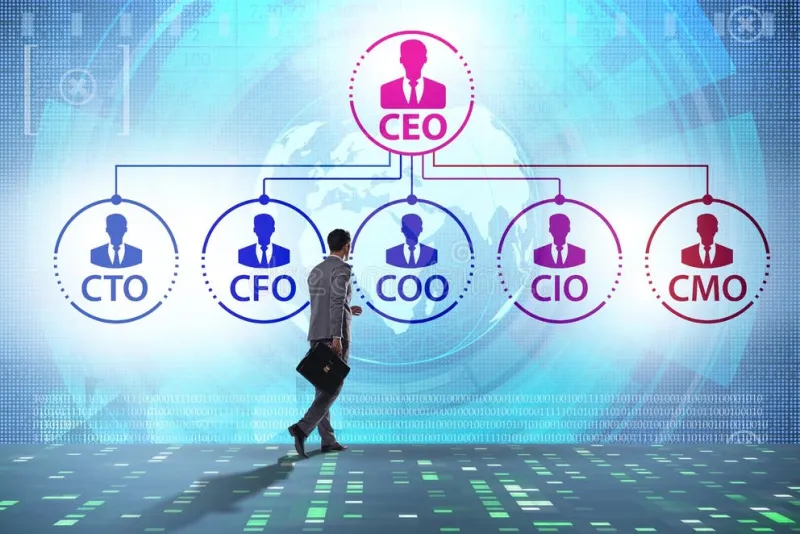
American enterprises announce a restructuring and call it transformation, yet the processes, incentives, and customer journeys remain exactly where they were. This piece examines why reorganizations so often become a substitute for change — and offers a diagnostic for telling genuine transformation from organizational theater.

The Ghostwriter in the Procurement Department: Auditing the Machines Now Choosing Your Vendors
Enterprise Strategy

The Ghostwriter in the Procurement Department: Auditing the Machines Now Choosing Your Vendors

Generative AI has entered the buying process from both directions — drafting requirements on the buyer's side and proposals on the seller's. Before your next RFP goes out, someone should ask which parts of it a machine wrote, and what that means for fairness, accuracy, and legal exposure.

Approval Flows Through the Side Door: Mapping the Real Power Structure Before Your Transformation Begins
Enterprise Strategy

Approval Flows Through the Side Door: Mapping the Real Power Structure Before Your Transformation Begins

Enterprise transformations rarely fail on technology; they fail on unspoken authority. Before kickoff, leaders should map who actually signs, who actually knows, and who can quietly say no — because the org chart tells only half the story.